





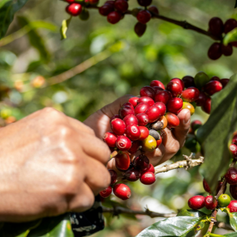


Tea comes from an evergreen shrub, the tea plant (or Camellia sinensis ), native to the eastern plains of the Himalayas.
It is prepared by infusing the dried leaves and has been consumed since ancient times. Today, it is the most consumed beverage in the world after water.
All tea families can be found with the same shrub, since the only difference is either the selection of leaves or buds, or the subsequent fermentation.
Yes, but which family would suit you best? How can you best prepare for it?
We will try to help you in your initiation process by offering you this guide.
- The different families
- Loose leaf or bagged tea
- Getting started step by step
- Choosing the right infuser and cup
- The essentials for getting properly equipped

ESSENTIAL LIBRARY
Tea Sommelier
A clear and accessible educational approach to learning everything about tea…
Tea tasting techniques, good tea and food pairings,
The tea plant and its cultivation, the best teas in the world, the uses of tea in cooking...
Each page was designed as a small, self-contained lesson, dealing with a single theme.


The different families of tea
It's not widely known, but the different tea families don't actually represent different tea bushes. You can get all the families from the same bush. The difference between the families comes from the cultivation and drying techniques used on the tea leaves. Amazing, isn't it?
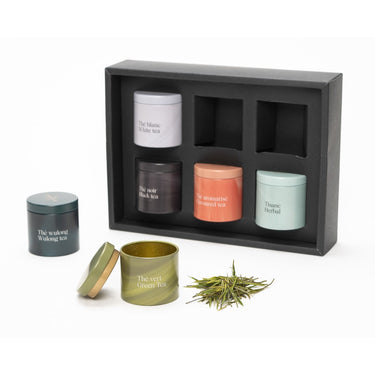
There are 5 main families of tea, which themselves have derivatives or variations.
But to keep things as simple as possible, here are the main points:
- White Tea
- Green Tea
- The Wulong
- Black Tea
- Aged Tea
White Tea
White tea is cultivated in China and harvested between March and early April. It is known by various names, including Silver Needles, Bai Hao Yin Zen, Bai Mu Dan, and Yin Zen. Harvesting it requires hand-picking the fuzzy buds of the tea plant from a cultivar known as Da Bai (or Dai Bai, meaning "great white" in Chinese). Its preparation is meticulous. It is considered the most refined tea, undergoing virtually no processing.
Regarding its aromatic profile, it is delicate and subtle, and could be described as vegetal-woody, very slightly sweet, and straw-colored. The main aromas that emerge are, for example, honey, vanilla, hay, waxed wood, and wicker. Secondary aromas include rose, mint, cocoa, and thyme.




Green Tea
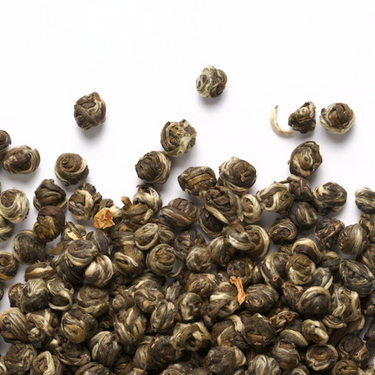
Green tea is now cultivated almost everywhere in the world, but the largest producers remain China and Japan. Each producer has their own method, making green tea as unique as it is diverse. The key step in its production process is roasting, which is done by steaming or in a wok, on withered leaves (which prevents them from fermenting or turning brown too much). It is precisely this complexity that makes green tea unique. Healthy, energizing, delicious, and rich in antioxidants, green tea is the most popular and healthiest beverage in the world after water. Green tea has numerous properties: rich in tannins, these antioxidant polyphenols give tea its aroma and distinctive bitter taste. The activity of theanine on the brain has been shown to reduce mental and physical stress, have a relaxing effect, and increase the production of alpha rhythms in the brain. Green tea also contains vitamin C.
Green tea is also used in the production of flavored teas such as genmaicha, which combines it with rice, or gunpowder, which is the basic ingredient of mint tea.
Regarding its aromatic profile, it ranges from light and floral to astringent and herbaceous.
All our green teas






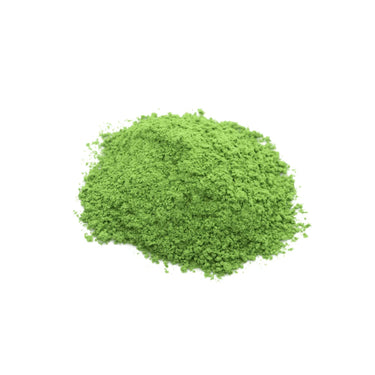
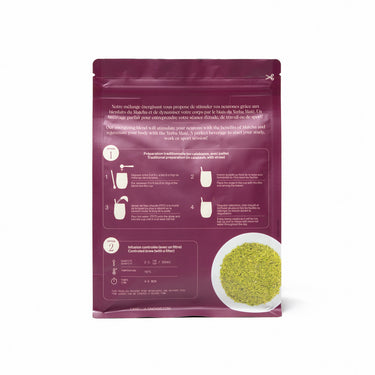
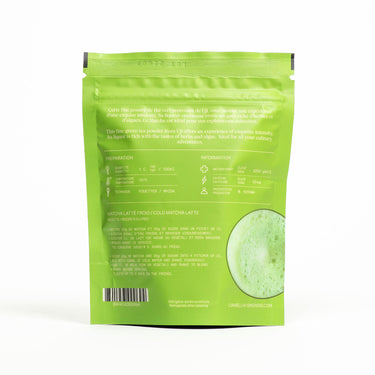
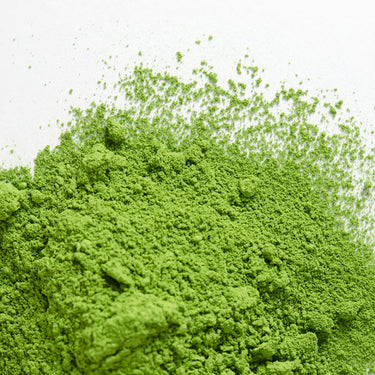
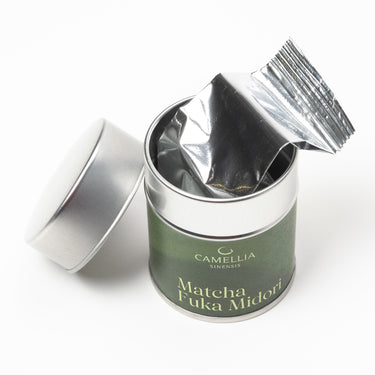
THE MATCHA
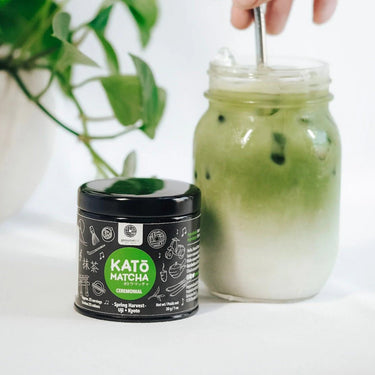
Our selection of matcha teas










Yellow Tea
Wulong (or Oolong) Tea
Oolong tea (or wulong) is produced using a Chinese manufacturing process, which is also found in Taiwan.
This is a tea whose oxidation has been stopped during the processing. More mature leaves are used, which contain less tannin and caffeine.
In terms of roasting, it could be placed somewhere between green and black tea. Indeed, its character combines the flavor of green tea with its strength, reminiscent of black tea. It can therefore be dark and woody, as well as subtle and floral.
Black Tea
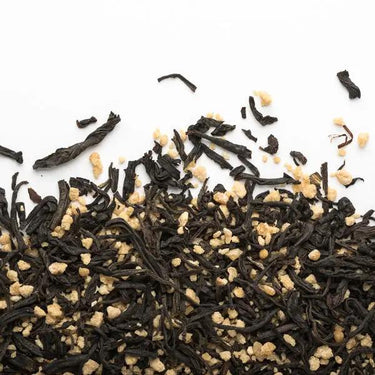
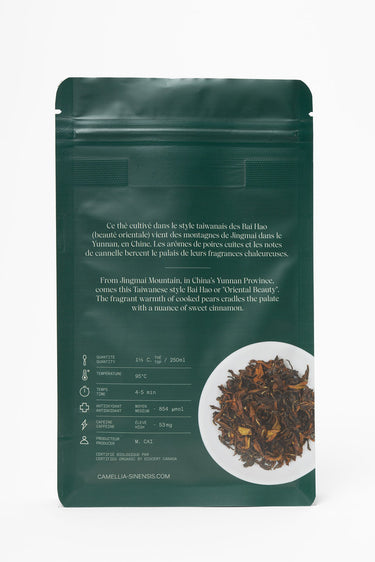
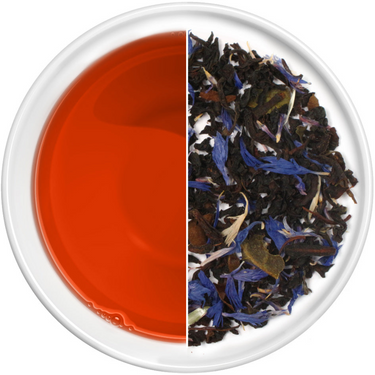
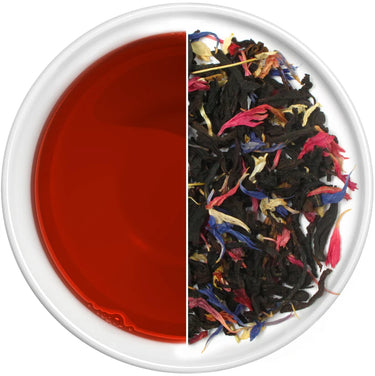
Black tea is recognizable by its degree of oxidation: it is fully fermented! It is produced all over the world, but the two biggest players are East Africa and South Asia.
There are two manufacturing methods: the orthodox method or the CTC method.
For the orthodox method, the leaves, which are larger, are twisted, resulting in a complex and delicate tea.
For the CTC method, the leaves are smaller and rounded, resulting in a darker and more full-bodied tea.
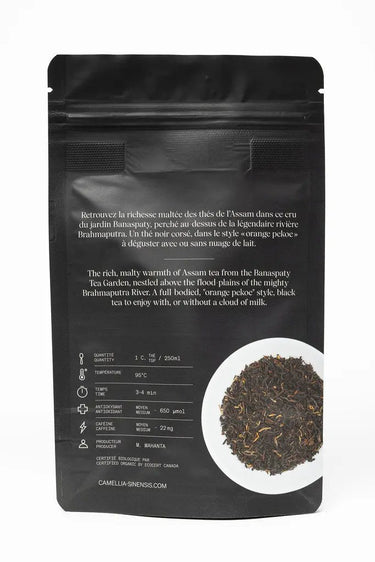
Black tea is often used for original teas, such as Chai, Darjeeling or Assam.
In terms of flavor, it is an aromatic, powerful and generous tea.
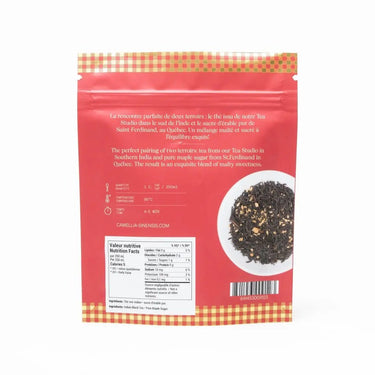
Our black teas












Aged Tea (Pu-Erh)
Also known as dark tea, Pu-erh is one of the oldest types of Chinese tea. It dates back to the Tang Dynasty (618-907) and takes its name from the city of Pu'er in Yunnan, in southwestern China. At that time, tea was transported by horse, and it was necessary to find a way to package it so that it would withstand long journeys. The inhabitants of Pu'er invented a particular method of production: compression into "cakes," which allowed the tea to improve rather than deteriorate. This is not a tea for the impatient: a good Pu-erh takes at least 30 years to reach maturity, as oxidation is slowed by compression.
In terms of taste, its flavor is powerful and sweet, with earthy notes.

Loose or in bags?
The tea bag was invented in the United States at the beginning of the 20th century. Originally, the idea was to put tea leaves in a paper bag. But this proved slow, complicated, and therefore expensive, so the tea leaves were quickly ground into a fine powder. This improved productivity, but at the expense of quality.
We often forget that a good tea is above all whole leaves, whose delicacy is preserved from the grinding which is necessary for bagging.
Broken or powdered tea develops a greater strength in the cup, as tannins are released in large quantities due to the grinding process. Consequently, all the aromatic finesse of the tea is lost.
In summary, you will always be advised to buy your tea loose leaf, and to brew it in a container that allows it to open up and release its aromatic profile to the fullest.
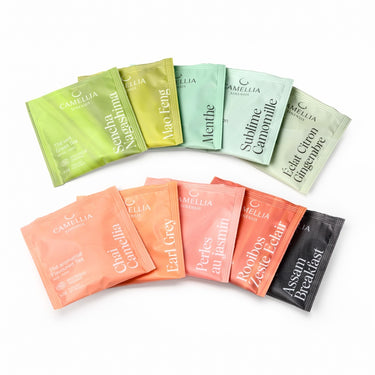
But rest assured, teas packaged in bags, often made of natural cotton (muslin), which can contain whole leaves, are still available today, and have been since the 1980s. These are good alternatives, for example when you're traveling, for having quality tea.
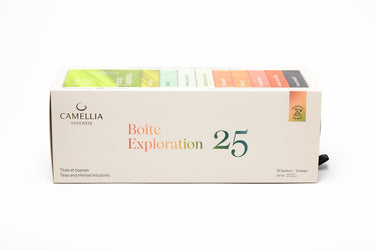
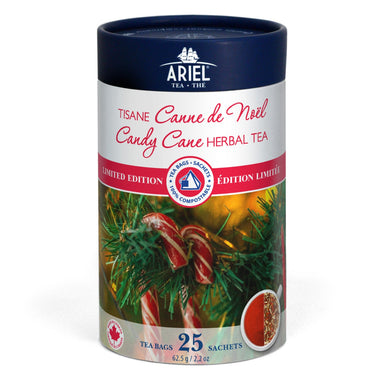
Our teas and herbal teas in bags






Getting started step by step
If you wish to fully immerse yourself in the world of tea, it's best to follow a step-by-step approach. This will allow you to gradually progress from teas with strong aromas to increasingly subtle ones.
We therefore advise you to start with teas with pronounced and very full-bodied aromas, and then move towards more subtle teas in terms of their mouthfeel, texture and olfactory power.
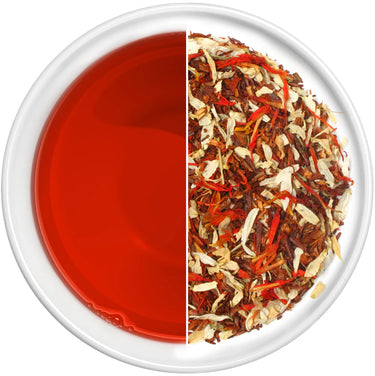
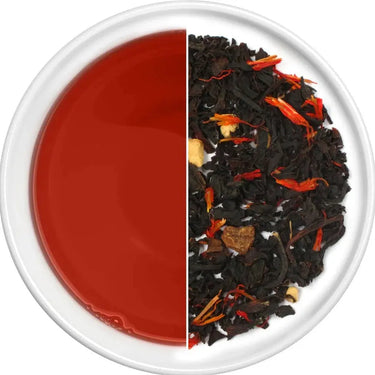
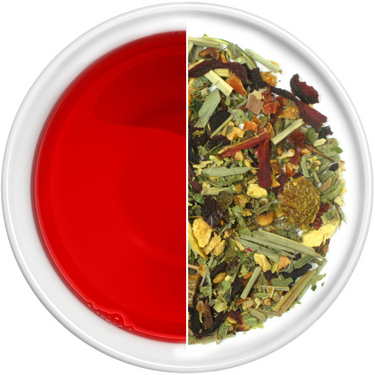
In terms of tea families, start with flavored teas, then black teas, oolong teas, green teas, and finally white teas.
Choose quality teas and equip yourself as best as possible to facilitate your introduction.
There are also some criteria to be met in this regard:
- Measure your tea properly.
In the Western method, 2 grams of tea is recommended for 10 to 15 cl of water. In the Chinese method, your tea leaves should represent 30 to 50% of the volume of your teapot or cup. - The quality of your water .
Remember that great tea deserves great water. Chlorine and limescale are tea's enemies. A water filter pitcher is your best friend. - Respect the brewing temperature .
Not all teas are brewed at the same temperature. Some green teas should not be brewed above 40 degrees, while some black teas will only reach their full potential in water at 90 degrees. - Monitor the steeping time .
Just like the temperature of your water, the steeping time is crucial for getting the best from your tea. Over-steeped tea will be very bitter, even undrinkable. - Serve at the correct temperature .
The ideal temperature for enjoying tea is between 40 and 50 degrees Celsius. But you can also drink it warm, cold, or iced!
All our teas




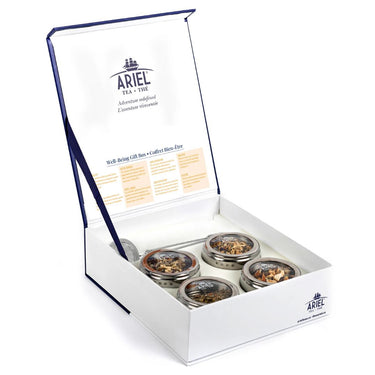


Choosing the right infuser and cup
To maximize your enjoyment of tea tastings, choose appropriate utensils. For example, serious tea lovers use a different teapot for each of their favorite teas.
Choosing the right brewing system
Ideally, you should have a different infuser (teapot, beaker) for each type of tea you use. Strong teas infuse their aromas into the containers they're brewed in. This is a good solution to avoid flavor mixing and spoiling your tea tastings.
We also recommend a small to medium-sized infuser. Large volumes (1.2 liters and more) should be avoided.
Choosing your cup carefully .
The most important accessory for your tastings is, of course, your cup. It actively contributes to the development of your sensations in the mouth, particularly through contact with your lips.
First, your cup should be thick enough so it doesn't absorb all the heat from the tea. It should be preheated so your tea isn't shocked by the coldness of the cup. As with coffee, a ceramic or porcelain cup is ideal.
Our infusers


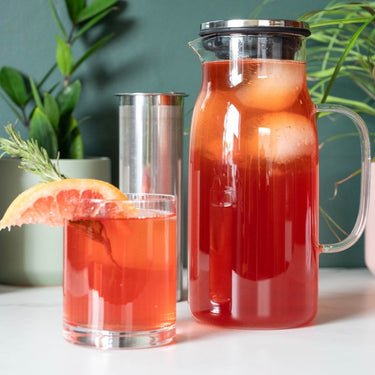
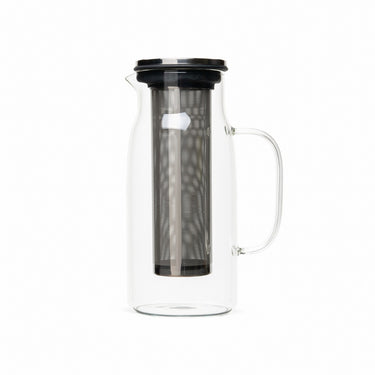


The essentials for getting properly equipped
Being well-equipped in the world of tea is—much like with coffee—the first thing to do if you want to enjoy your teas to the fullest. The main goal is to unlock the full potential of your teas.
As mentioned earlier, one of the first things is to respect the brewing temperatures. Kettles with variable temperature settings are therefore your best friends! You can also equip yourself with a brewing beaker and ceramic cups.
Our essential teas & herbal teas