












Maintenance: The 5 mistakes that shorten your coffee machine's life
Time to read 10 min



Sign up for our newsletter and receive 10% off your first order.
Time to read 10 min
Table of Contents
Coffee machine maintenance is often neglected, even by coffee lovers. However, a poorly maintained machine can quickly alter the taste, reduce performance, and break down sooner than expected. Good coffee machine maintenance not only extends the life of your equipment but also preserves the quality of every bean you use.
Here are the five most common mistakes and, more importantly, how to easily avoid them in your daily routine.
Over time, minerals present in water, especially calcium and magnesium, accumulate inside the machine. This accumulation forms limescale in the pipes, boiler, thermoblock, or water circuits.
Even if the machine seems to be working normally, limescale can gradually build up without being visible.
Why this is a problem
Limescale can reduce water flow, slow down heating, and impair extraction pressure. The result: coffee may flow slower, be less hot, less balanced, or have a less distinct taste.
In the long run, limescale accumulation can also force certain parts to work harder, increasing the risk of premature breakdown.
How to avoid it
Coffee contains natural oils that deposit on parts in contact with grounds and extraction.
On an espresso machine, this particularly concerns the portafilter, basket, shower screen, and brew group. On an automatic machine, the removable brew group also needs regular maintenance.
These residues do not simply disappear with a quick rinse with water.
Why this is a problem
Coffee oils eventually go rancid. They can give a bitter, burnt, or unpleasant taste to your coffee, even if you use good beans.
Residue accumulation can also hinder water circulation, make extraction less uniform, and create an environment conducive to bad odors.
How to avoid it
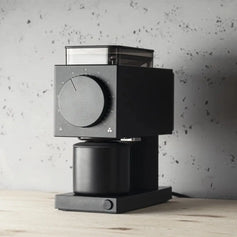
In a grinder, coffee beans naturally leave oils and fine particles in the burrs, hopper, and ground coffee chute.
Over time, these residues accumulate. Even if the grinder looks clean on the outside, the inside may contain oxidized oils, coffee dust, and old grounds.
The grinder is an integral part of coffee machine maintenance. Without maintenance, grinding becomes inconsistent, which directly affects extraction and cup balance.
It is important to mention that, on some automatic coffee machines, the grinder is difficult, if not impossible, to access. In this case, never disassemble the machine yourself. Grinder maintenance should then be done using specially designed cleaning products, used according to the manufacturer's recommendations.
Why it's a problem
A poorly maintained grinder can alter the taste of coffee. Old coffee residues can turn rancid and give the cup bitter, dusty, or unpleasant notes.
Accumulation can also affect grind consistency. A less consistent grind can lead to unbalanced extraction: coffee that is too bitter, too weak, too acidic, or less aromatic. In some cases, residues can even partially block the mechanism.
How to avoid it
Dry cleaning weekly
Deep cleaning once a month
The water reservoir is often filled in advance and then left as is for several days. However, even if the water appears clean to the naked eye, it can lose freshness, absorb ambient odors, and promote the appearance of deposits in the reservoir.
In some machines, the reservoir is also exposed to light or slight heat, which can accelerate the degradation of water quality.
Why it's a problem
Water makes up a large part of your coffee. If it's stagnant, it can directly influence the taste by resulting in a duller, less clear, or old-tasting cup.
It's also a matter of hygiene. A reservoir that is rarely emptied or washed can develop a slimy film, mineral deposits, or unpleasant odors. In the long term, this can affect both the quality of the coffee and the general cleanliness of the machine.
How to avoid it
Vinegar is often seen as a simple home solution for descaling. It can indeed dissolve some mineral deposits, but it is not always suitable for modern coffee machines.
Some machines contain seals, hoses, plastics, or internal components that may react negatively to the acidity or persistent odor of vinegar.
Effective coffee machine maintenance relies on products specifically designed for this purpose. They respect the materials, prevent residual tastes, and preserve the manufacturer's warranty.
Why this is a problem
Vinegar can leave an unpleasant taste or smell in the machine, even after several rinses. It can also be too aggressive for certain materials, especially if the machine is not designed for this type of cleaning.
In some cases, its use can even go against the manufacturer's recommendations and void the warranty.
How to avoid it
Properly maintaining your coffee machine is not just about cleanliness: it's also the best way to preserve the taste of your coffee and extend the life of your equipment.
Limescale, coffee oils, ground residue, and stagnant water can all negatively affect the quality of your cup, even with excellent beans. Fortunately, a few simple steps are enough to make a big difference: descale regularly, clean parts that come into contact with coffee, maintain the grinder, use fresh water, and choose suitable cleaning products.
By integrating these habits into your routine, you will get more consistent, flavorful coffee and a machine that will last longer. Your coffee deserves a clean machine — and your machine will repay you with every cup.
My Caffeine Tip: Regular maintenance is also the best way to respect the roaster's work… and to honor every bean ☕
How often should you descale a coffee machine?
The frequency mainly depends on your usage and the hardness of your water. If you make coffee every day, descaling every 2 to 3 months is often a good baseline. If your water is very hard, it may be necessary to do it more often, for example, every month.
The best approach is to follow the manufacturer's recommendations, especially for automatic espresso machines or machines with integrated descaling programs that will indicate when to do it.
How do I know if my coffee machine needs descaling?
Certain signs can indicate limescale buildup: coffee flows slower, the machine makes more noise than before, the water heats less effectively, or the coffee tastes less balanced.
On some machines, an indicator light or message appears when descaling is needed. You shouldn't wait until the machine malfunctions: preventive maintenance is always preferable.
Can vinegar be used to descale a coffee machine?
It's best to avoid vinegar unless your machine's manufacturer clearly authorizes it. Although often used as a home remedy, it can leave a persistent odor, alter the taste of the coffee, and be too aggressive for certain seals or internal components, potentially damaging them.
A descaler designed for coffee machines is generally a safer and more suitable choice.
Why is it necessary to clean the brew group or portafilter?
The brew group, portafilter, and parts in contact with coffee accumulate oils and residues after each extraction. Over time, these residues can go rancid and give the coffee a bitter or unpleasant taste. Humidity can even lead to mold.
Regular cleaning helps maintain a cleaner, more stable, and tastier extraction.
How often should the portafilter be cleaned?
Ideally, the portafilter and basket should be rinsed after each use. A more thorough cleaning can be done regularly with a suitable product, especially if you use your machine daily.
For an espresso machine, it is also recommended to clean the shower screen and brew group according to the manufacturer's instructions.
Is it necessary to clean the coffee grinder?
Absolutely. The grinder is often neglected, but it plays an essential role in coffee quality. Beans leave oils and fine particles that can accumulate in the burrs and hopper. Whether it's a standalone grinder or one integrated into your machine, you must maintain it.
A poorly maintained grinder can produce a less consistent grind and transmit unpleasant tastes to your coffee.
How to clean a coffee grinder without damaging it?
Use an appropriate brush to remove coffee particles from accessible areas. Use cleaning tablets specifically designed for grinders if they are compatible with your appliance.
Avoid putting water into the grinder mechanism unless the manufacturer clearly states otherwise. Moisture can damage certain components or cause the grind to clump.
Is it bad to leave water in the reservoir?
Leaving water in the reservoir for a short period is not dramatic, but it's best to avoid letting it sit for several days. The water can lose its freshness, absorb odors, or leave deposits in the reservoir.
Since water makes up a large part of your coffee, fresh water directly contributes to a better cup.
Should the water reservoir be emptied daily?
If you use your machine daily, you can simply refresh the water regularly. However, if the machine is not used for a few days, it's best to empty the reservoir, rinse it, and refill it with fresh water before the next use.
This is a small, simple gesture that helps preserve the taste of the coffee and the hygiene of the machine.
What products should be used to maintain a coffee machine?
Use products designed for coffee machines: descaler, cleaning tablets, cleaning powder for the brew group, or grinder cleaner, depending on the type of machine you own.
Each appliance has its specific features. Before using any product, always check the manufacturer's recommendations to avoid damaging the machine.
Does maintenance really influence the taste of coffee?
Yes, enormously. Even with excellent coffee, a poorly maintained machine can result in a bitter, bland, or unbalanced cup. Rancid oils, coffee grind residues, limescale, and stagnant water can all affect the final taste in the cup.
A clean machine allows for a better appreciation of coffee aromas and a more consistent extraction.
What is the ideal maintenance routine for a coffee machine?
A good routine combines frequent small gestures with more thorough cleanings. After each use, rinse accessible parts and avoid allowing residues to accumulate. Weekly, clean more frequently used components such as the portafilter, drip tray, reservoir, or hopper.
Finally, schedule descaling and deep cleaning according to your usage frequency and the manufacturer's recommendations.
Gaëlle, Ma Caféine Manager
Passionate about coffee, tea, and quality products, Gaëlle shares her advice, discoveries, and inspirations on the Ma Caféine blog to help you better savor each cup.
Your cart is currently empty.
Start Shopping


